
There’s something undeniably comforting about a warm bowl of Yaki Udon, especially after a long day. As the enticing aroma of seared pork belly and sautéed vegetables fills the kitchen, I can’t help but feel a wave of nostalgia for cozy meals shared with friends. This dish has a remarkable ability to take simple ingredients and transform them into an explosion of flavor in just 20 minutes.
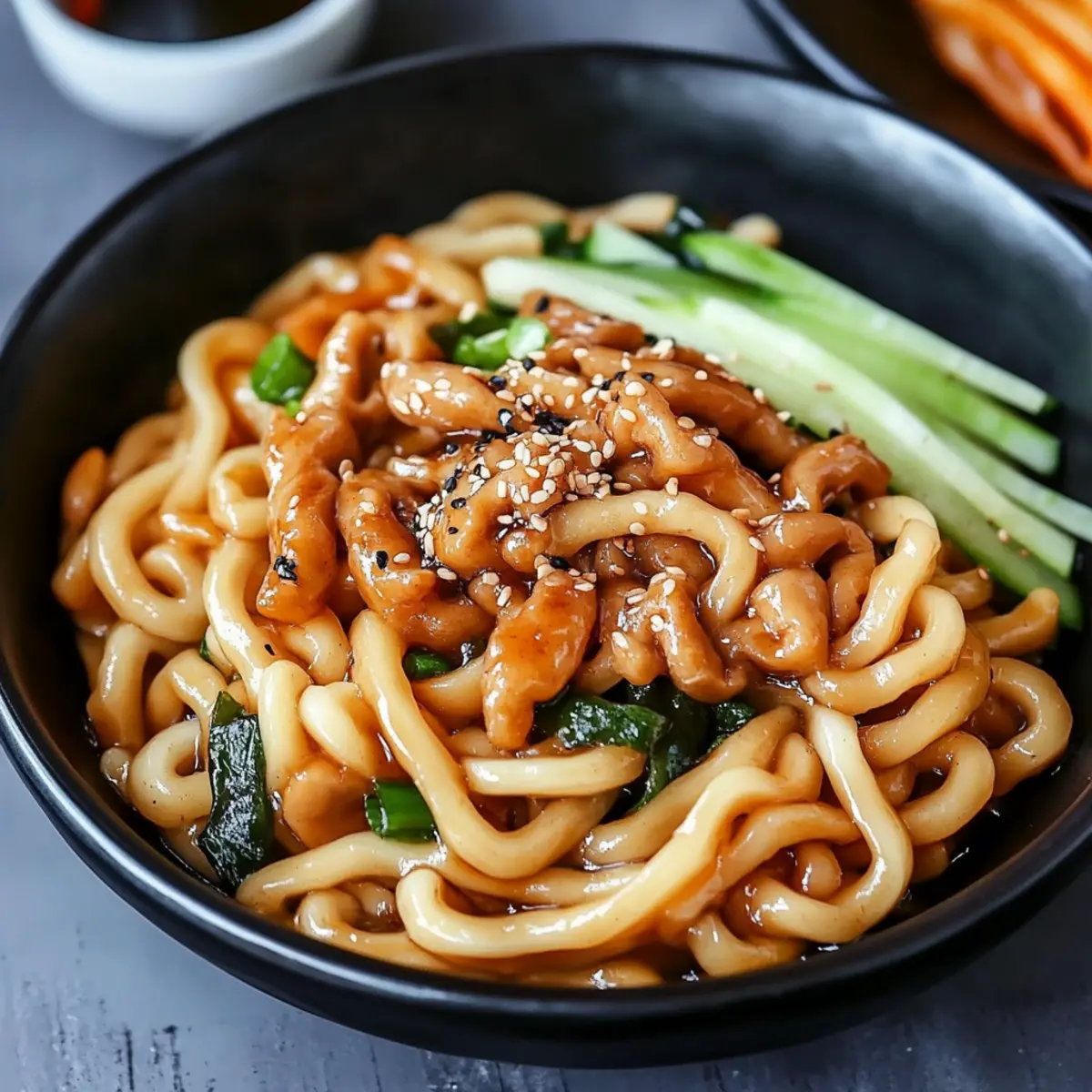
When I first made this dish, I was shocked at how quickly it came together, effortlessly blending savory soy sauce, fragrant garlic, and a hint of sweetness from mirin. The chewy udon noodles are the perfect canvas, soaking up all those bold flavors while providing that satisfying bite. Whether you’re looking for a quick weeknight dinner or a recipe that will impress at your next gathering, Yaki Udon is here to save the day with ease and flair. Let’s dive into this delightful recipe and bring a taste of Japan to your kitchen!
Why You'll Love This Yaki Udon
- This Yaki Udon recipe is incredibly easy to prepare, making it perfect for busy weeknights.
- You’ll love the rich, savory flavors that come together in just 20 minutes, allowing you to enjoy a delicious meal without spending hours in the kitchen.
- The versatility of this dish means you can easily customize it with your favorite vegetables or proteins for a unique twist every time.
- Visually, the colorful array of ingredients makes this dish a feast for the eyes as well as the palate, making it an instant crowd-pleaser.
Yaki Udon Ingredients
• Ready to bring delicious Yaki Udon to your table? Let’s gather what you need!
For the Noodles
• Udon Noodles – these chewy noodles are key to a satisfying Yaki Udon experience.
For the Stir-Fry
• Vegetable Oil – used for cooking, it allows other flavors to shine through.
• Pork Belly – adds rich flavor and a deliciously crispy texture.
• Onion – contributes sweetness and depth to the dish.
• Garlic – for that aromatic punch that elevates the flavor.
• Carrot – adds color and a hint of natural sweetness.
• Cabbage – provides crunch and balances the savory elements.
• Mushrooms – enhances the umami flavor in the dish.
• Green Onions – for freshness and a beautiful garnish.
For the Sauce
• Oyster Sauce – adds a deep, savory richness.
• Soy Sauce – crucial for that characteristic salty flavor.
• Mirin – gives a touch of sweetness to balance the salty sauces.
• Sesame Oil – brings a nutty aroma and flavor.
• Sugar – a little helps to round out and enhance the flavors.
• Black Pepper – adds a subtle kick to the mix.
Gather these ingredients, and you’re well on your way to cooking a delightful dish of Yaki Udon that’s bursting with flavor and texture!
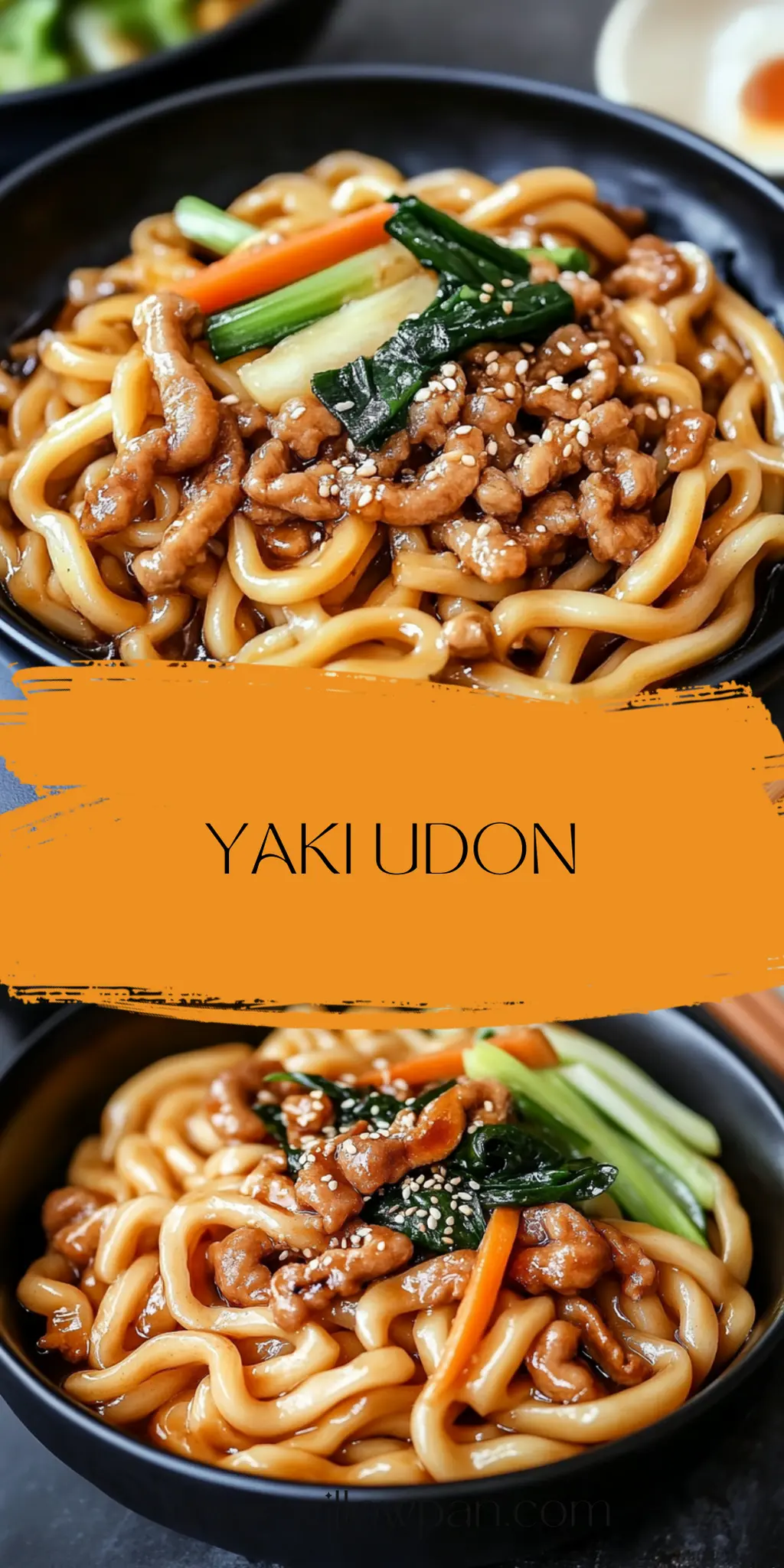
How to Make Yaki Udon
-
Cook the udon noodles according to package instructions, which usually takes about 5-7 minutes. Once they’re done, drain them well and set aside for later.
-
Heat the vegetable oil in a large skillet or wok over medium-high heat until shimmering, giving it that perfect sizzle that says “let’s get cooking!”
-
Add the pork belly to the skillet, cooking until it’s nicely browned and crispy, which should take about 4-5 minutes. This will infuse your dish with a delicious flavor base.
-
Stir-Fry in the chopped onion, minced garlic, and thinly sliced carrot. Cook these together for about 2-3 minutes until they’re softened and fragrant, filling your kitchen with delightful aromas.
-
Toss in the cabbage, mushrooms, and chopped green onions. Continue stirring until the veggies are tender, around another 3-4 minutes. You’ll know they’re ready when they start to glisten and shrink a bit.
-
Mix in the cooked udon noodles along with the oyster sauce, soy sauce, mirin, sesame oil, sugar, and black pepper. Stir everything together really well, ensuring the noodles are coated in all that savory sauce.
-
Heat Through for an additional 2-3 minutes, allowing all those wonderful flavors to meld together. You want everything nice and hot before serving!
Optional: Garnish with extra green onions for a pop of color and freshness.
Exact quantities are listed in the recipe card below.
How to Store and Freeze Yaki Udon
- Fridge: Store leftover Yaki Udon in an airtight container for up to 3 days. Be sure to cool it completely before sealing to maintain freshness.
- Freezer: For longer storage, freeze the dish in a freezer-safe container for up to 2 months. Thaw overnight in the fridge before reheating.
- Reheating: Reheat gently in a skillet over medium heat, adding a splash of water or broth to keep it moist and prevent sticking, until warmed through.
- Airtight Guidance: Make sure to wrap the Yaki Udon tightly if freezing; this prevents freezer burn and helps retain its delicious flavor when you’re ready to enjoy it again.
What to Serve with Yaki Udon?
When savoring a tantalizing bowl of Yaki Udon, it’s delightful to consider the perfect accompaniments that will elevate your meal even further.
-
Fresh Salad: A light cucumber salad adds a refreshing crunch, balancing the rich flavors of the udon while offering a burst of color.
-
Miso Soup: This warm, comforting soup adds umami depth and complements the savory notes of Yaki Udon, enhancing the overall experience.
-
Steamed Edamame: Lightly salted edamame provides a fun, protein-rich finger food that’s both satisfying and a delightful palate cleanser.
-
Sautéed Bok Choy: Quick to prepare, this tender green adds a slightly sweet finish, harmonizing perfectly with the dish’s rich flavor profile.
-
Teriyaki Chicken Skewers: Juicy and slightly sweet, these skewers pair excellently with Yaki Udon for a hearty protein boost alongside your noodles.
-
Green Tea: A warm cup of green tea not only provides a calming effect but also enhances the meal with its subtle earthy notes, making for a delightful refreshment.
Imagine serving Yaki Udon alongside these options; the variety of textures and flavors will create a meal that’s truly fulfilling, comforting, and memorable.
Make Ahead Options
These Yaki Udon are perfect for meal prep enthusiasts! You can cook the udon noodles and prepare the stir-fry components up to 24 hours in advance, making weeknight dinners so much easier. Simply cook the noodles, drain them, and refrigerate them in an airtight container. For the stir-fry, chop your vegetables (onion, carrot, cabbage, and mushrooms) and store them separately in the fridge. When you’re ready to enjoy your Yaki Udon, just heat some vegetable oil in a skillet, stir-fry the pork belly with the prepped veggies for about 5-7 minutes, mix in the noodles and sauce, and heat everything through for a quick, delicious meal that tastes just as fresh!
Yaki Udon Variations
Feel free to mix things up and create your perfect Yaki Udon—deliciousness is just a twist away!
- Vegan Delight: Substitute pork belly with tofu or tempeh for a plant-based version that’s still satisfying.
- Spicy Kick: Add sliced fresh chili peppers or a sprinkle of chili flakes to heat things up a notch for chili lovers!
- Seafood Twist: Swap pork for shrimp or scallops for a luxurious touch that brings ocean flavors to the dish.
- Crunchy Toppings: Garnish with toasted sesame seeds or crispy wonton strips for an exciting texture that contrasts the tender noodles.
- Mushroom Medley: Use a variety of mushrooms, such as shiitake and enoki, to enrich the umami flavor and bring different textures.
- Noodle Substitution: Try using rice noodles or zucchini noodles for a gluten-free or veggie-packed alternative that’s equally delightful.
- Honey Surprise: Replace sugar with honey or maple syrup for a hint of natural sweetness that adds a lovely depth.
- Add More Greens: Toss in baby spinach or kale towards the end of cooking for an extra serving of nutrients and freshness.
Experiment with these variations, and discover your very own signature Yaki Udon!
Chef's Helpful Tips
- When making Yaki Udon, be sure to never overcook the udon noodles, as they should remain chewy for the best texture.
- Always heat your skillet or wok until hot before adding the oil to achieve a good sear on the pork belly, enhancing its flavor.
- Remember to cut all vegetables into similar sizes to ensure even cooking, preventing some from being overdone while others remain raw.
- Lastly, when combining the cooked noodles and sauce, allow everything to heat through for just a few minutes to meld the flavors without overcooking the veggies.
Yaki Udon Recipe FAQs
What kind of udon noodles should I use for Yaki Udon?
Absolutely! I recommend using fresh udon noodles if you can find them, as they provide a delightful chewiness. However, dried udon noodles work just as well. Just ensure you cook them according to package instructions before adding them to your dish for maximum flavor and texture.
How should I store leftover Yaki Udon?
You can store leftover Yaki Udon in an airtight container in the fridge for up to 3 days. Make sure to allow it to cool completely before sealing to retain its mouthwatering flavors. If you’re afraid of losing its taste, you can always add a little splash of soy sauce or broth when reheating!
Can I freeze Yaki Udon? If so, how?
Yes, you can! To freeze Yaki Udon, let it cool completely. Then, place it in a freezer-safe container or a heavy-duty freezer bag, removing as much air as possible. It can be frozen for up to 2 months. When you’re ready to enjoy, thaw it overnight in the fridge and reheat it gently in a skillet, adding a little water or broth to keep it moist.
What if I have allergies to any ingredients in this recipe?
Very good question! If you have a soy allergy, you can use coconut aminos as a substitute for both soy sauce and oyster sauce—it’s a delicious alternative! Similarly, if you’re sensitive to seafood, check for oyster sauce brands that are allergen-free or skip it and try using a little more soy sauce alongside a touch of sugar to balance the flavors.
What should I do if my vegetables in Yaki Udon are overcooked?
If you find that your vegetables have turned mushy, don’t fret! Next time, try to keep the heat up during cooking to achieve a nice stir-fry effect. Adding vegetables like cabbage and mushrooms earlier helps retain their texture since they release moisture as they cook. If all else fails, you can always shred fresh vegetables like carrots or serve with a side salad to add that crunch!
How can I enhance the flavors of my Yaki Udon?
To elevate your Yaki Udon, consider adding a splash of rice vinegar for tanginess or some chili flakes for an extra kick! You can also throw in other proteins like shrimp or tofu to make it more hearty, enhancing that wonderful umami flavor and making it truly your own.
Yaki Udon
Ingredients
Equipment
Method
- Cook the udon noodles according to package instructions, about 5-7 minutes. Drain and set aside.
- Heat the vegetable oil in a skillet or wok over medium-high heat until shimmering.
- Add the pork belly and cook until browned and crispy, about 4-5 minutes.
- Stir-fry in onion, garlic, and carrot for 2-3 minutes until softened.
- Toss in cabbage, mushrooms, and green onions, stirring until tender, about 3-4 minutes.
- Mix in the cooked udon noodles along with the sauces and black pepper. Stir to coat.
- Heat through for an additional 2-3 minutes before serving.


